
Going global, idea mazes, and designing cities for self driving cars

Posted by Mike Walsh

Jan 6, 2016 12:00:00 AM

Niki


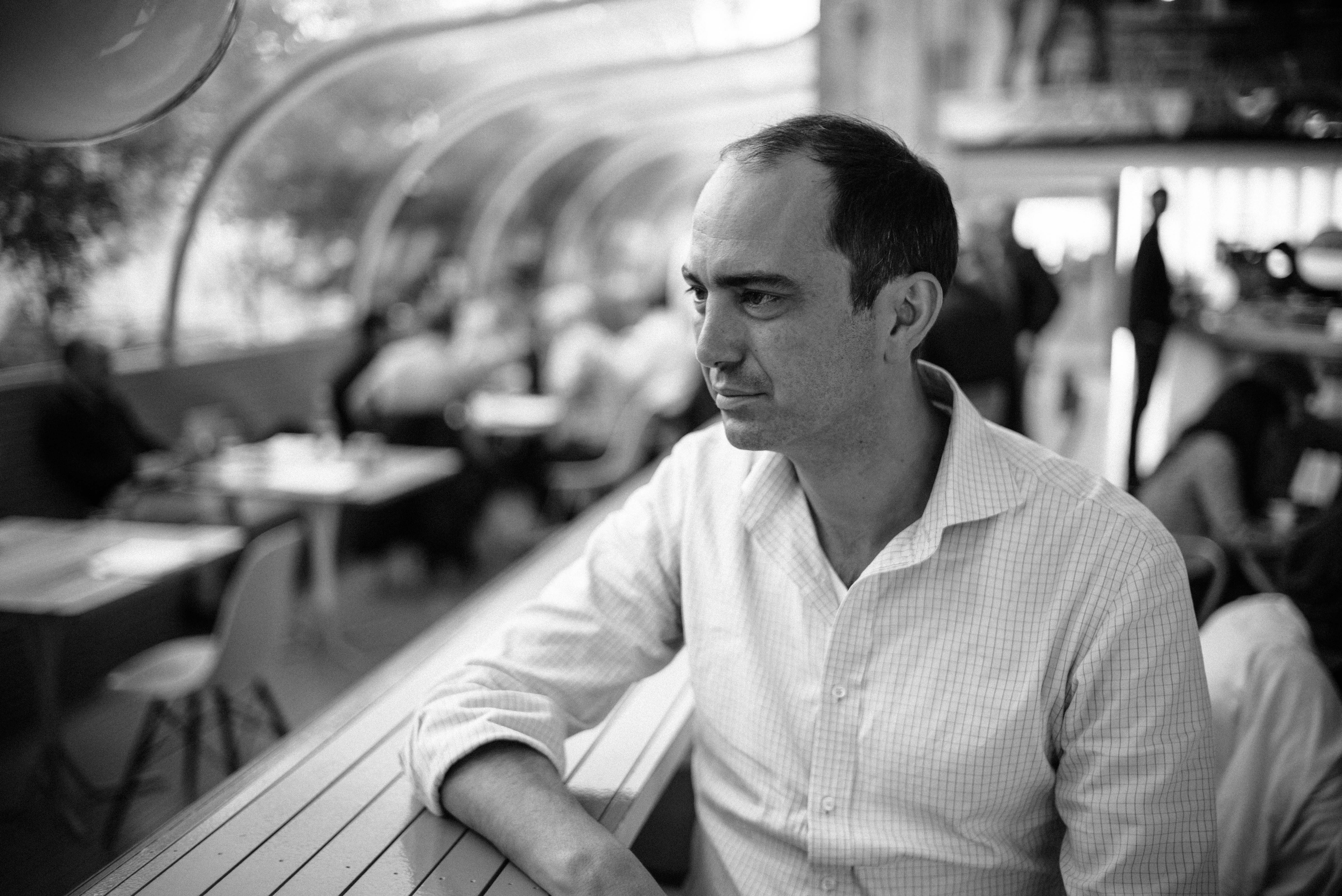
Niki Scevak is one of the smartest people I know. He and I worked together at Jupiter Research, over a decade ago. Now he runs Blackbird Ventures, Australia’s largest VC fund with nearly a quarter of a billion dollars under management. When I visited him at his offices in Sydney, we talked about how enterprise software companies have shifted from steak dinner selling to letting their products pitch themselves. It is not that people aren’t important, but as Niki pointed out, the expensive people have been shifted from the start of the process, to the end of it, once users have created a groundswell. In this episode you will also hear us debate the power of founder passion, whether or not big companies can really emulate startups and the unit economics of driverless cars.


CATEGORY: Innovation, Venture Capital

Telling time, wearables and the power of universal language

Posted by Mike Walsh

Nov 22, 2015 12:00:00 AM

Matthew


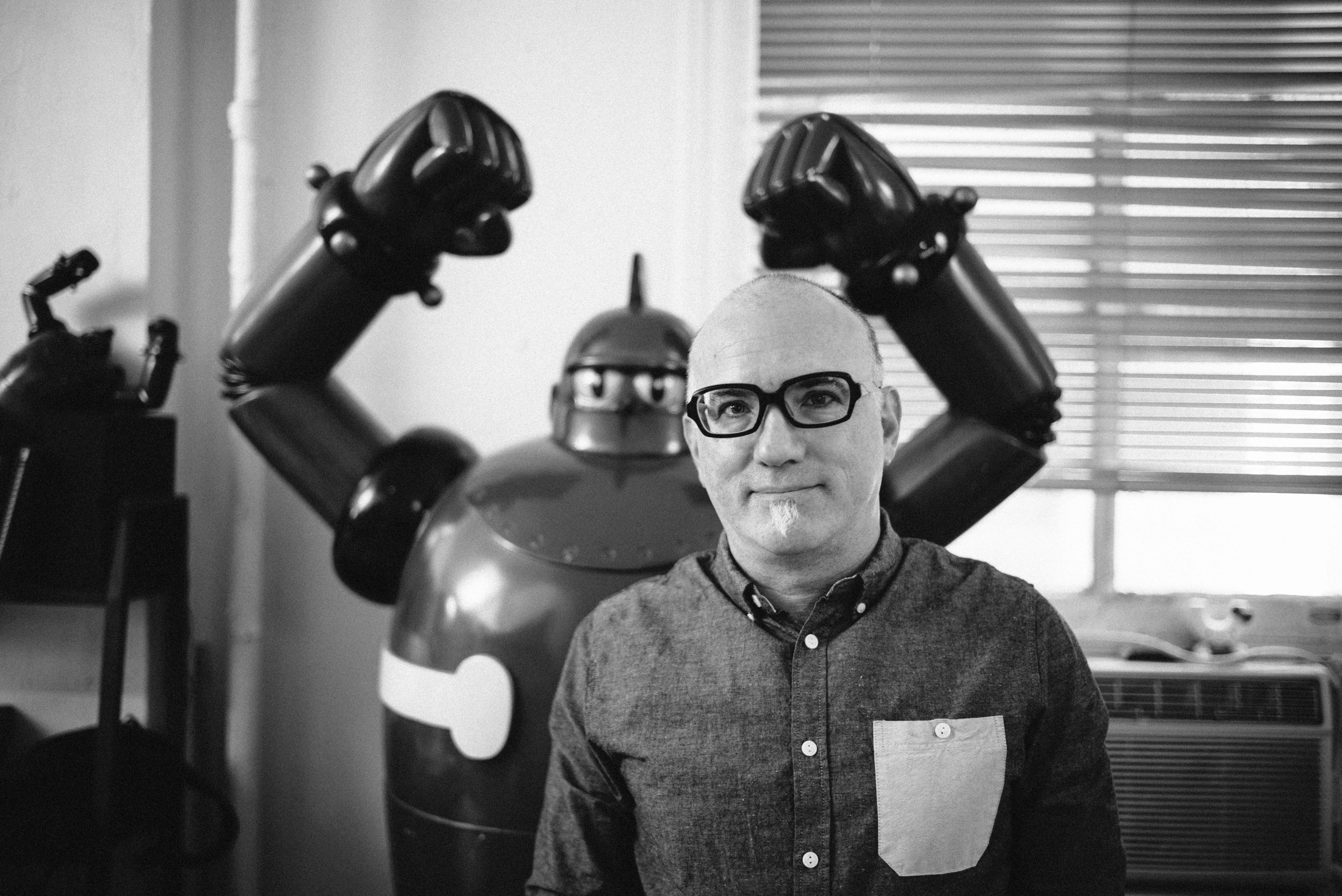
Matthew Waldman is a New York based designer, best known for his iconic watch brand, Nooka. Like many of Matthew’s creative projects, Nooka timepieces defy traditional interfaces, whether they be ’telling time’ or other, everyday interactions that we rarely question or challenge. In his studio, situated amid the madness of Manhattan midtown, we chatted about how good design creates pathways of behavior, the necessity of universal language, Hello Kitty and trans-cultural communication, implantables and the bio-programmable future of wearables, and why the ultimate function of a well designed device should be to increase the number of interactions with other people.


CATEGORY: Innovation, Telecommunications

Citizen science, geiger counters, and the secret mailing lists of the tech elite

Posted by Mike Walsh

Oct 3, 2015 12:00:00 AM

Sean Bonner


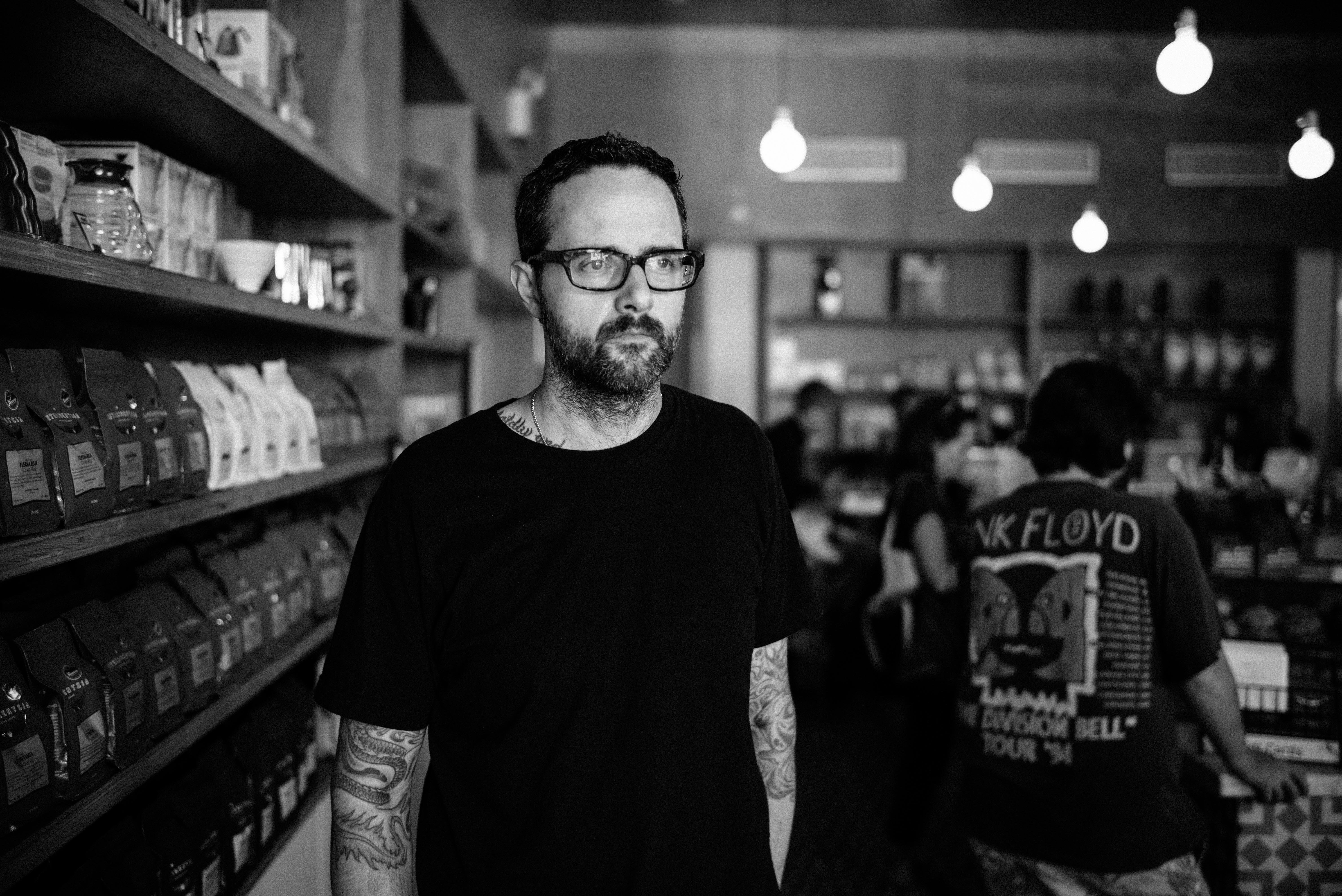
Sean Bonner is someone that defies easy classification. His Twitter account describes him as a ‘misanthropologist’, while his LinkedIn profile simply states that he ‘ likes working on things that empower people to take care of themselves.’ As the co-founder and global director of Safecast (an open global sensor network currently monitoring radiation levels in Japan), that is probably an understatement. We caught up at Intelligentsia Coffee, which in case you don’t frequent Silverlake or are not a certified LA hipster, turns out to be ground zero for both. With Sean’s geiger counter flashing insouciantly on the table between us, we chatted about citizen science, crowdsourcing invention, neo-minimalism, hacker spaces and the emergence of a maker ecosystem in LA. Then he told me about these secret tech insider mailing lists that if you don’t know about, you are unlikely to ever be invited to join.


CATEGORY: Innovation, Government

AI startups, disrupting health with data, and 3D printing your lost keys

Posted by Mike Walsh

Sep 28, 2015 12:00:00 AM

Christian


I met up with Christian Hernandez at his offices located at Second Home, the eclectic co-working space that has become ground zero for all things creative and entrepreneurial in London. Christian is the managing partner, and co-founder of White Star Capital, one of Europe’s leading venture capitalists. He previously held senior roles at Facebook, Google and Microsoft and started his career in technology at MicroStrategy, a start-up he joined prior to its 1999 IPO. We spoke about the explosive growth of the London startup scene, the cultural and commercial challenges of launching Facebook in Europe, the evolution of data as an asset, backing machine intelligence startups, and new potential applications of computer vision and big data from printing lost keys to disrupting the health market.


CATEGORY: Innovation, Healthcare

Con artists, counting steps, and thinking like Sherlock Holmes

Posted by Mike Walsh

Sep 18, 2015 12:00:00 AM

Maria


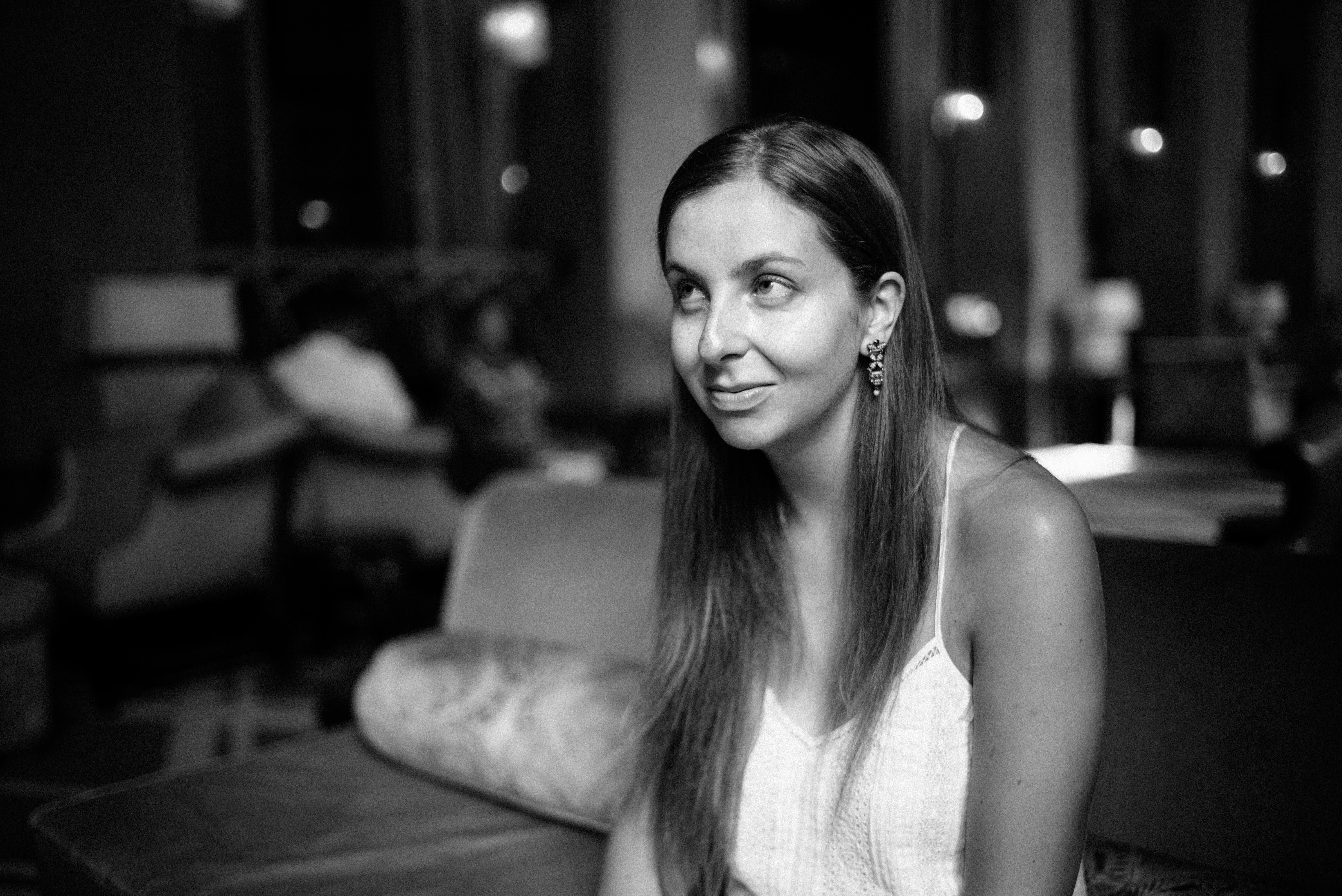
Maria Konnikova is the New York Times bestselling author of Mastermind: How to Think Like Sherlock Holmes, a brilliant book that draws on the adventures of the fictional detective to illustrate the power of observation and critical thinking. Her latest book, The Confidence Game, explores the flipside of detection, and why humans are so hardwired to believe in con artists and those that would exploit our trust. Over breakfast in New York, we spoke about the differences between the way Holmes and Watson see the world, the art of building a memory attic, and how con artists are so adept at manipulating people’s belief systems. Of course, none of these things might strike you as shocking if you had chanced upon her first ever book, written in Russian. It was five pages long and, she assures me, had something to do with trolls.


CATEGORY: Innovation, Research