Citizen science, geiger counters, and the secret mailing lists of the tech elite

Posted by Mike Walsh

Oct 3, 2015 12:00:00 AM

Sean Bonner


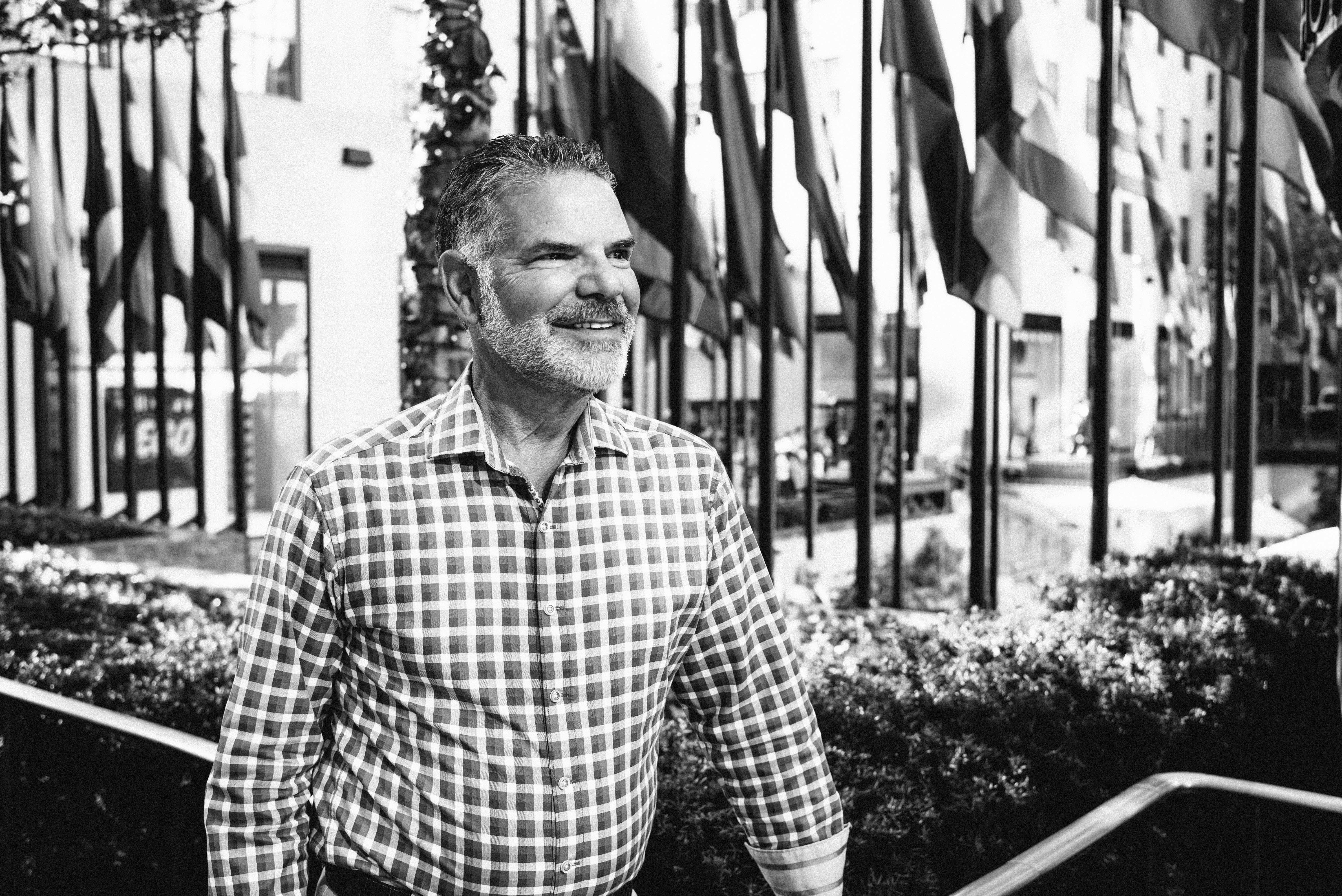
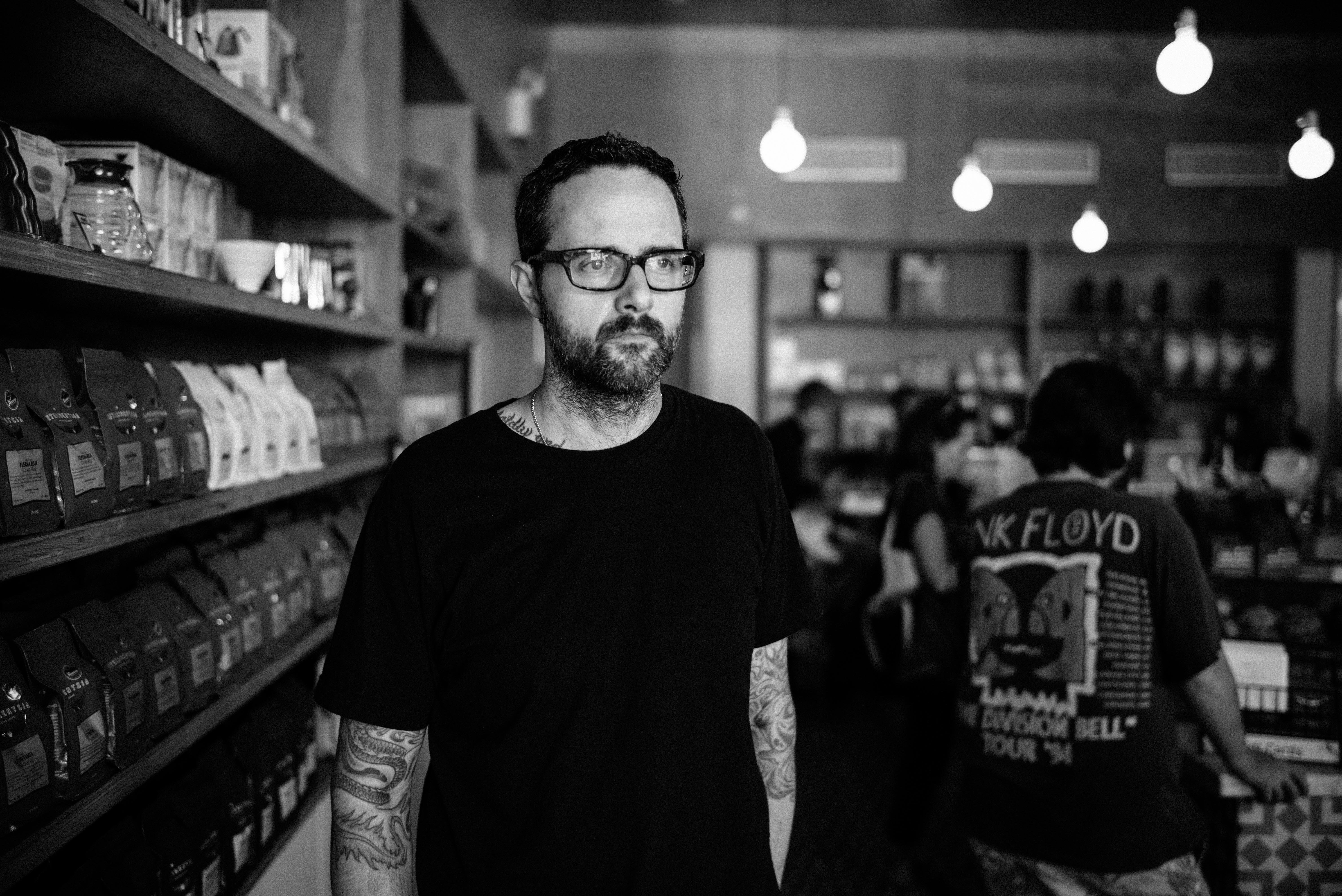
Sean Bonner is someone that defies easy classification. His Twitter account describes him as a ‘misanthropologist’, while his LinkedIn profile simply states that he ‘ likes working on things that empower people to take care of themselves.’ As the co-founder and global director of Safecast (an open global sensor network currently monitoring radiation levels in Japan), that is probably an understatement. We caught up at Intelligentsia Coffee, which in case you don’t frequent Silverlake or are not a certified LA hipster, turns out to be ground zero for both. With Sean’s geiger counter flashing insouciantly on the table between us, we chatted about citizen science, crowdsourcing invention, neo-minimalism, hacker spaces and the emergence of a maker ecosystem in LA. Then he told me about these secret tech insider mailing lists that if you don’t know about, you are unlikely to ever be invited to join.
 

CATEGORY: Innovation, Government

AI startups, disrupting health with data, and 3D printing your lost keys

Posted by Mike Walsh

Sep 28, 2015 12:00:00 AM

Christian


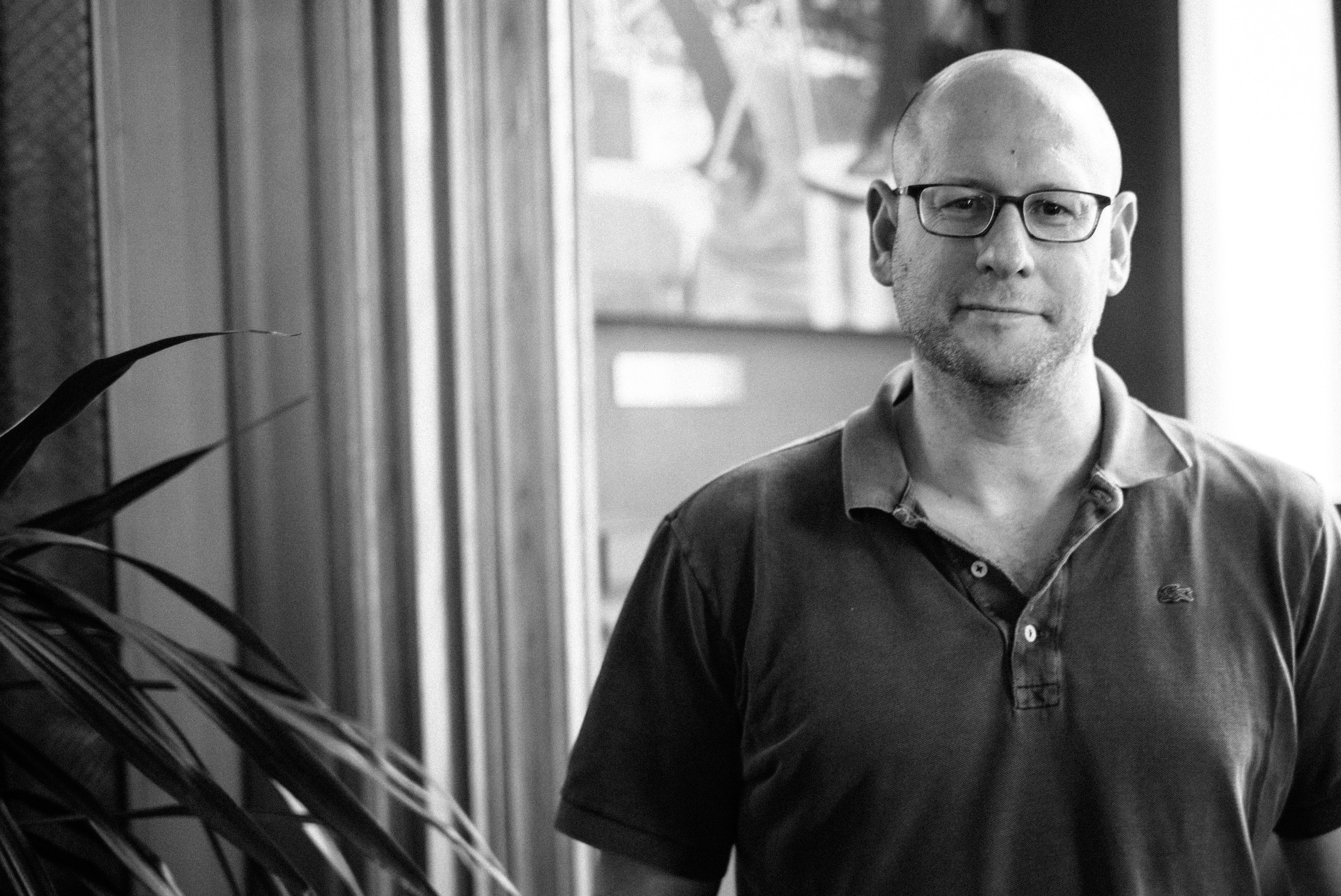
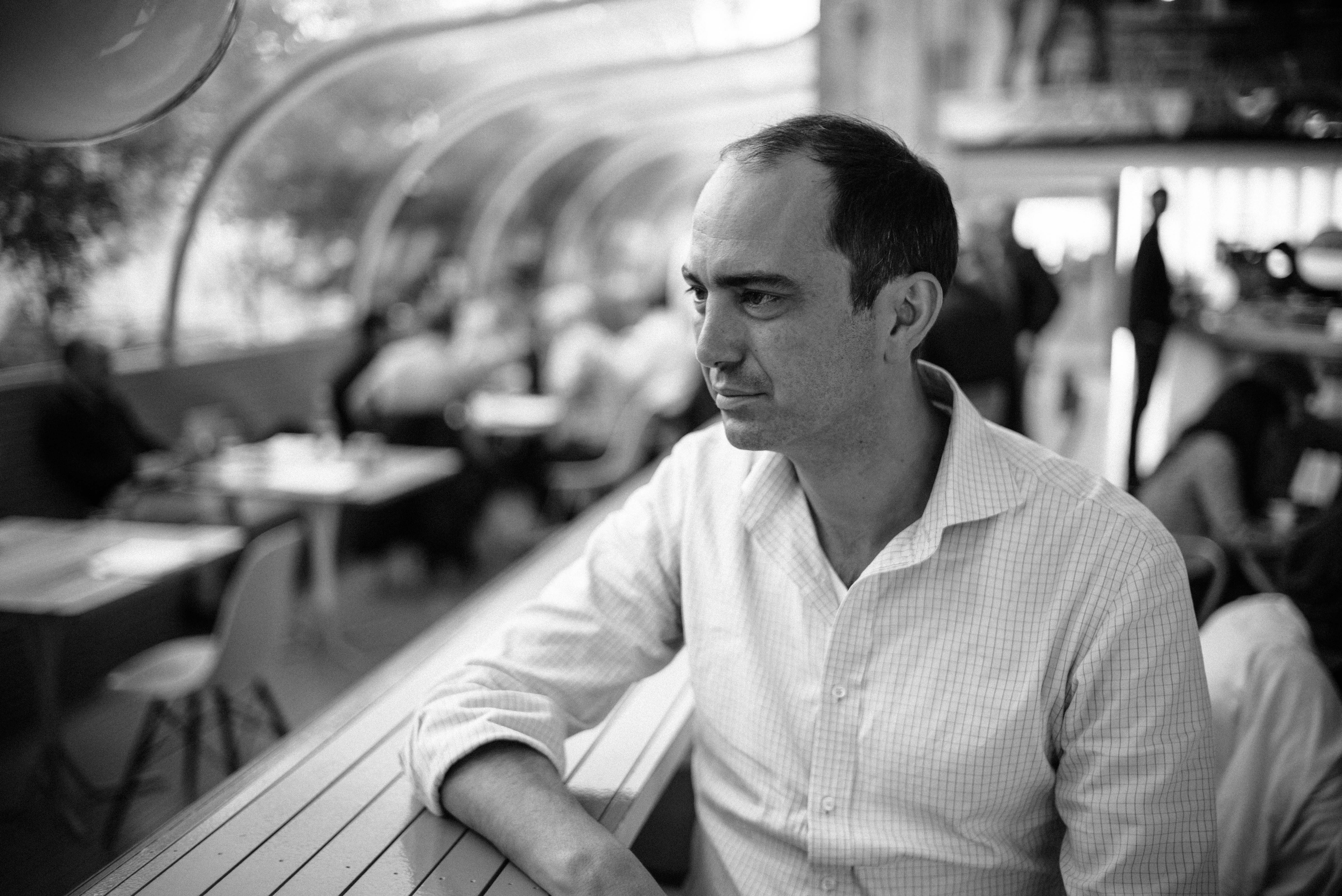
I met up with Christian Hernandez at his offices located at Second Home, the eclectic co-working space that has become ground zero for all things creative and entrepreneurial in London. Christian is the managing partner, and co-founder of White Star Capital, one of Europe’s leading venture capitalists. He previously held senior roles at Facebook, Google and Microsoft and started his career in technology at MicroStrategy, a start-up he joined prior to its 1999 IPO. We spoke about the explosive growth of the London startup scene, the cultural and commercial challenges of launching Facebook in Europe, the evolution of data as an asset, backing machine intelligence startups, and new potential applications of computer vision and big data from printing lost keys to disrupting the health market.


CATEGORY: Innovation, Healthcare

Con artists, counting steps, and thinking like Sherlock Holmes

Posted by Mike Walsh

Sep 18, 2015 12:00:00 AM

Maria


Maria Konnikova is the New York Times bestselling author of Mastermind: How to Think Like Sherlock Holmes, a brilliant book that draws on the adventures of the fictional detective to illustrate the power of observation and critical thinking. Her latest book, The Confidence Game, explores the flipside of detection, and why humans are so hardwired to believe in con artists and those that would exploit our trust. Over breakfast in New York, we spoke about the differences between the way Holmes and Watson see the world, the art of building a memory attic, and how con artists are so adept at manipulating people’s belief systems. Of course, none of these things might strike you as shocking if you had chanced upon her first ever book, written in Russian. It was five pages long and, she assures me, had something to do with trolls.


CATEGORY: Innovation, Research

Media, emotion-tech and the future of men

Posted by Mike Walsh

Sep 12, 2015 12:00:00 AM

Jack


I’ve hung out with Jack Myers in a bunch of strange places, from Mexico City to Oslo, and even on the outskirts of Las Vegas. He is one of the most original thinkers in the media space, and for many years, has provided the data and insights that US brands, agencies and content providers based their planning on. Jack is the author of four books including Reconnecting with Customers: Building Brands and Profits in The Relationship Age and Hooked Up Generation. He has been nominated for both an Academy Award and an Emmy Award for the documentary "Hank Aaron: Chasing the Dream." Catching up in New York, we spoke about the changing media patterns, the potential of emotion sensing technology, and his next book, The Future of Men: Masculinity in the Twenty-First Century.

CATEGORY: Marketing, Media & Entertainment

Data, adaptive learning and the future of education

Posted by Mike Walsh

Sep 4, 2015 12:00:00 AM

Gideon


When I was growing up, my parents despaired about my refusal to open a book. They sought out doctors and teachers, convinced I had some kind of learning disability. Finally, someone worked out that the problem was not reading, but rather what they were giving me to read: I was bored with the picture books. Taking a personalized approach to teaching kids to read has long been a challenge for traditional educators, but is now within reach with new technologies like LightSail Education, an award winning literacy platform for K-12. I spoke with its founder and CEO, Gideon Stein, about how data and adaptive learning is changing the classroom, and why literacy, even in this digital age, remains a foundational skill.


CATEGORY: Education, Technology