The future of algorithmic investing

Posted by Mike Walsh

May 8, 2018 1:31:25 PM

Manoj Narang


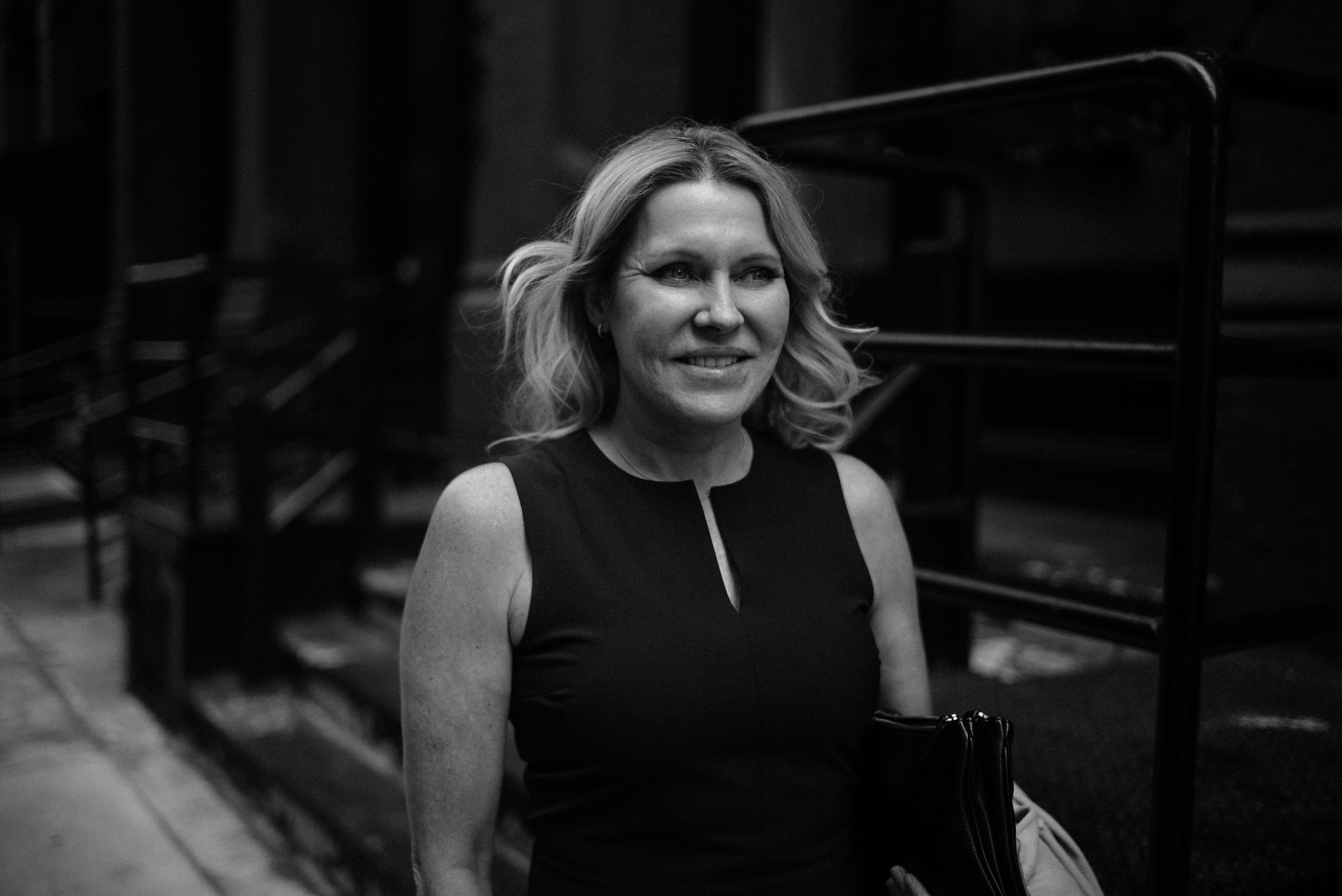
Manoj Narang is one of the world’s leading thinkers, and provocateurs, when it comes to the future of investing. A proponent of high frequency trading, he previously founded Tradeworx before setting up electronic trading and asset manager Mana Partners, with a $1 billion under management. What makes Mana interesting, especially for my research on algorithmic leadership, is Manoj’s vision for tomorrow’s investment manager, is super smart humans augmented by smart AI. When I caught up with him in NYC, he gave me a master class in the secret structures of the investment markets, and how they will be shaped and influenced by machine learning and algorithms.


CATEGORY: Finance, Leadership

Legal tradition vs digital transformation

Posted by Mike Walsh

Apr 30, 2018 6:28:10 PM

Chris White_3-1


Chris White is Global CIO of international law firm Clyde & Co, one of the world’s leading legal firms particularly known for their work in the insurance sector. The legal world, deeply conservative and based in tradition, has been under growing pressure to change with rapid changes in technology, AI, machine learning and the increasing algorithmic nature of client’s business activities. Chris, who manages a team of 140 technology across 40 offices globally, is helping drive his firm’s push into automation and case management technology. What will this mean for the future of the law firm? Listen in to find out.


CATEGORY: Legal, Technology

How to build an AI financial advisor

Posted by Mike Walsh

Apr 22, 2018 1:44:49 PM

Ramya Joseph


Recently named Founder of the Year by Benzinga, Ramya Joseph is a former banker that combined her knowledge of investment management and machine learning, to create Pefin, the world’s first AI financial advisor. Pefin, which won the People's Choice Award at SXSW in the interactive innovation category, is a neural network which starts with the user’s current finances and projects how they will change over time with market conditions, inflation, taxes, government rules, and the user’s plans. I caught up with Ramya at her company's HQ in New York, where we spoke about the future of algorithmic financial advice, and also what kinds of people AI-first organizations need to hire in order to succeed.


CATEGORY: Innovation, Finance

What does it take to be a genius?

Posted by Mike Walsh

Apr 15, 2018 12:04:45 PM

Melissa Schilling


If you have ever been fascinated by the lives of brilliant people like Einstein, Tesla, Curie or Musk - you might have wondered how exactly they were able to do what they do. And, more to the point, what drove them to such impressive achievements? That is a question that Melissa Schilling, a professor at NYU Stern, and author of the bestselling book ‘Quirky: The Remarkable Story of the Traits, Foibles, and Genius of Breakthrough Innovators Who Changed the World’, seeks to answer. I had a coffee with Melissa on a recent trip to New York, and we spoke about what makes these serial innovators tick, and in particular, the personality traits that lead to breakthroughs. What we might think of as impossible - for these people - is simply a place to begin.


CATEGORY: Innovation, Arts & Culture

Big Data and Beyond

Posted by Tomorrow Team

Apr 10, 2018 5:18:00 AM

ISACA


Editor’s Note: Mike Walsh, CEO of Tomorrow and futurist, innovation and technology speaker and authority on emerging markets and IoT, will bring his experience and perspective on Big Data to his closing keynote for ISACA’s 2018 EuroCACS Conference. The event will gather information systems audit, assurance, control, governance and security professionals, from 28-30 May 2018 in Edinburgh, Scotland.


What are some of the most promising applications of big data that you have observed in recent years?


Lately, the most interesting thing about data is not so much what we have been doing with it, but rather how our thinking about the strategic importance of data has changed. Instead of hiring an army of data scientists and building a monolithic bureaucracy to collect and analyze their data, the new focus of companies is on how to become AI-first. In other words, how do you leverage machine learning and algorithms in combination with data, to reimagine how you engage your customers and the way you do business?

What are some common missteps enterprises should seek to avoid when it comes to leveraging big data?


One of the missed opportunities for enterprises when it comes to data is allowing each operating unit to make its own disparate, non-aligned decisions with data and platforms, as opposed to supporting a company-wide vision to aggregate, process and analyze data into a single data lake. This is not merely a cost issue. With the rise of machine learning, gaining scope and scale in data, has become more important than ever.

How can business technology professionals – such as those that will be in attendance at EuroCACS – help their executive teams put data to good use?


The most important discussion that business technology professionals need to have with the other leaders in their organization is on how real-time data and algorithms should impact their approach to solving problems and making decisions. You can change your enterprise technology stack, but unless you also challenge the culture of leadership and decision making, then nothing really changes at all.

What are some emerging technologies that you anticipate will be most disruptive in 2018 and beyond?


Quantum computing is starting to look less like science fiction and more like a breakthrough technology with real -world applications. I recently spent some time in Tokyo, where transportation companies are already working on designing algorithms that leverage quantum platforms to solve the kind of tricky optimization problems that tomorrow’s traffic control and congestion systems will need to handle at scale.

What type of feedback have you received from readers of The Dictionary of Dangerous Ideas? What have been some of the major takeaways?


Readers of The Dictionary of Dangerous Ideas tell me that they love how the book helps them start interesting conversations and debates with their colleagues and clients. It is easy to see change in the world as merely the function of inevitable technology advancement, whereas in fact, many of the ideas and innovations— whether it be AI, automation or other algorithmic platforms —are really things that we should be debating and discussing in greater detail. The future may be now, but it is still for us to decide.

CATEGORY: United Kingdom, Interviews