
There was a time when you couldn't walk down the street, ride a subway or drink a coffee without hearing the wretched racket of the Crazy Frog ringtone. It was certainly an interesting case study in mass virality, if not collective bad taste.
 There was a time when you couldn't walk down the street, ride a subway or drink a coffee without hearing the wretched racket of the Crazy Frog ringtone. It was certainly an interesting case study in mass virality, if not collective bad taste.
Why some content goes viral and most doesn't is the $60m dollar question. Or, as reported by Techcrunch, the $79m question. That's how much the Crazy Frog franchise made in 2005 through the sale of mobile ringtones alone. And that's not including CDs, plush toys, garments, videogames, posters, figurines and god knows what other kinds of merchandise were spawned from this manifestation of pure irritance.
Popularity is one thing. How to make money from it is another. Its a question I often find myself discussing with my media clients. Merchandising, made possible by mass viral awareness, might be one such avenue.
 It's a sign that the virtual is becoming mainstream when the worst aspects of reality begin to manifest. In this case - a sub prime worthy credit crunch in Second Life, forcing the benevolent dictators at Linden Labs to take a
 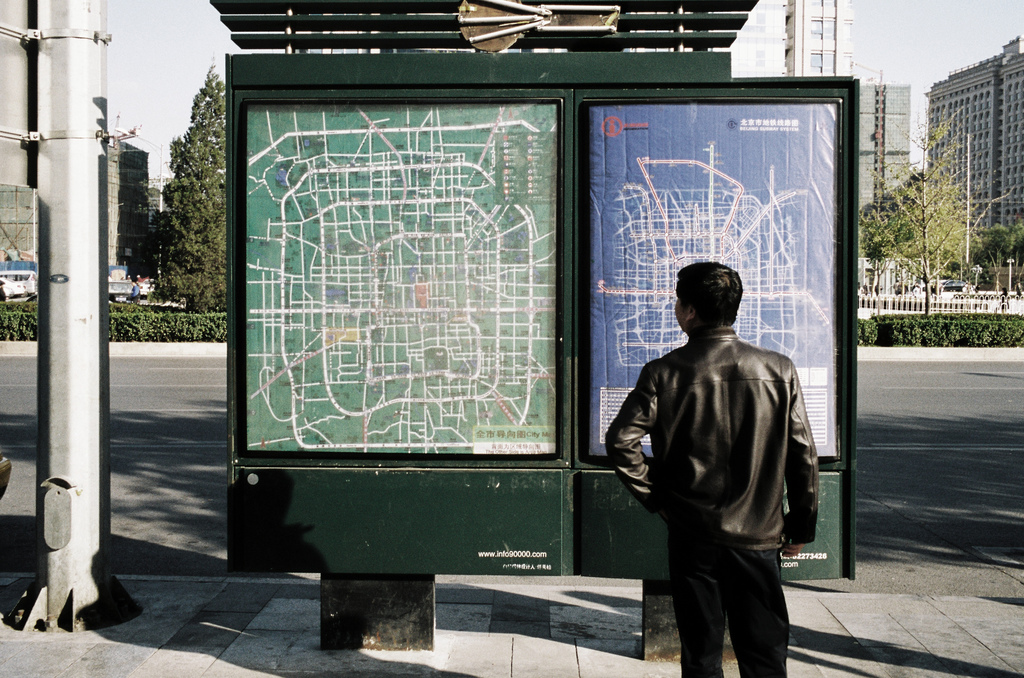 I've been reading some fascinating books lately on the science of networks and complexity. In particular 'Six Degrees' by Duncan Watts, and 'Linked' by Albert-Laszlo Barabasi. Both Watts and Barabasi have been active in many revolutionary studies and research papers that have changed the way we think about networks and their impact on society.